Fastrak Lane Scam: The Truth Behind The Controversy - Scammers target FasTrak drivers with threatening text messages The evolution of Fastrak lanes reflects the ongoing efforts to address traffic congestion and improve commuting experiences. However, the system's rapid expansion has also led to vulnerabilities that scammers have exploited.
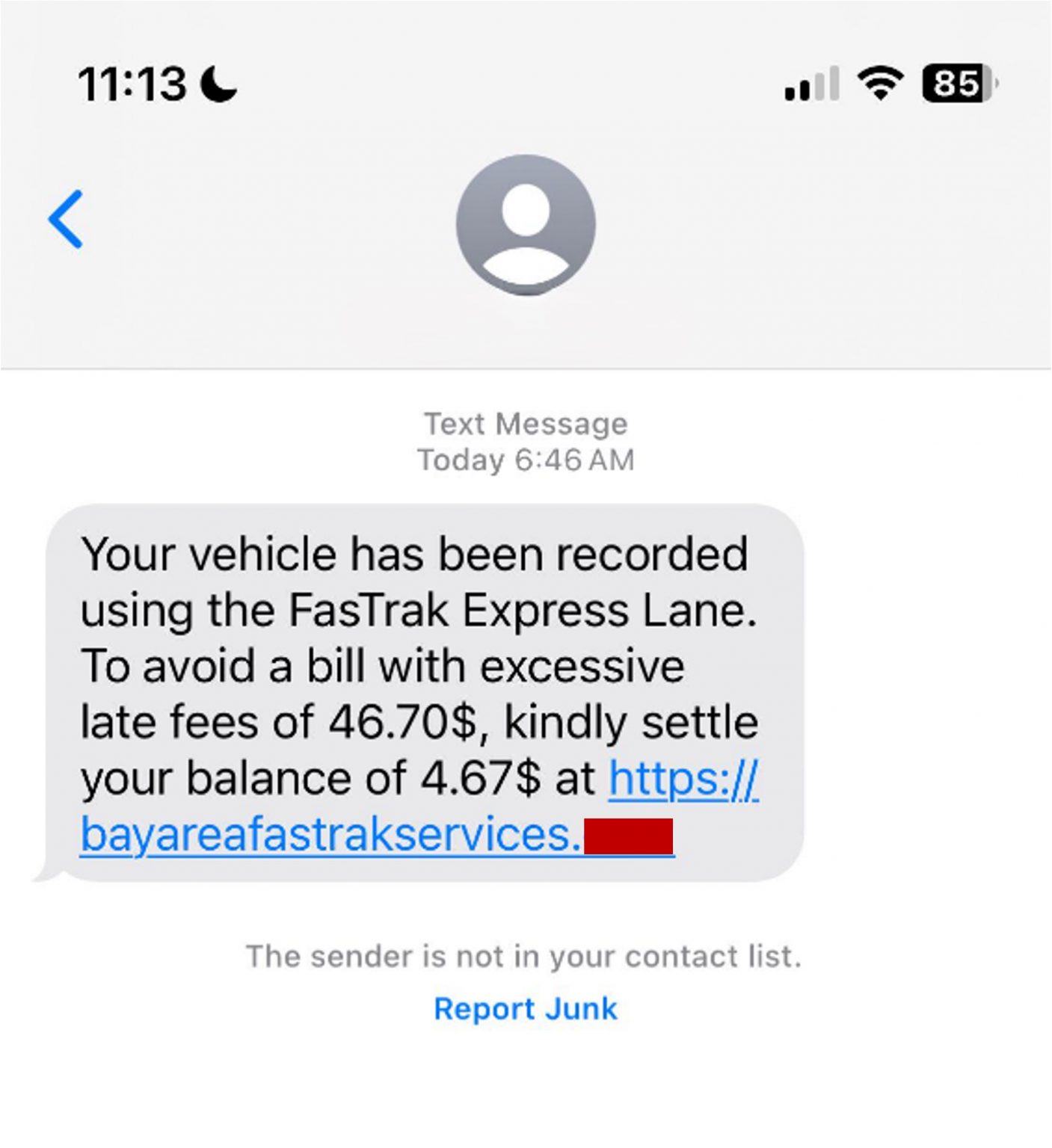
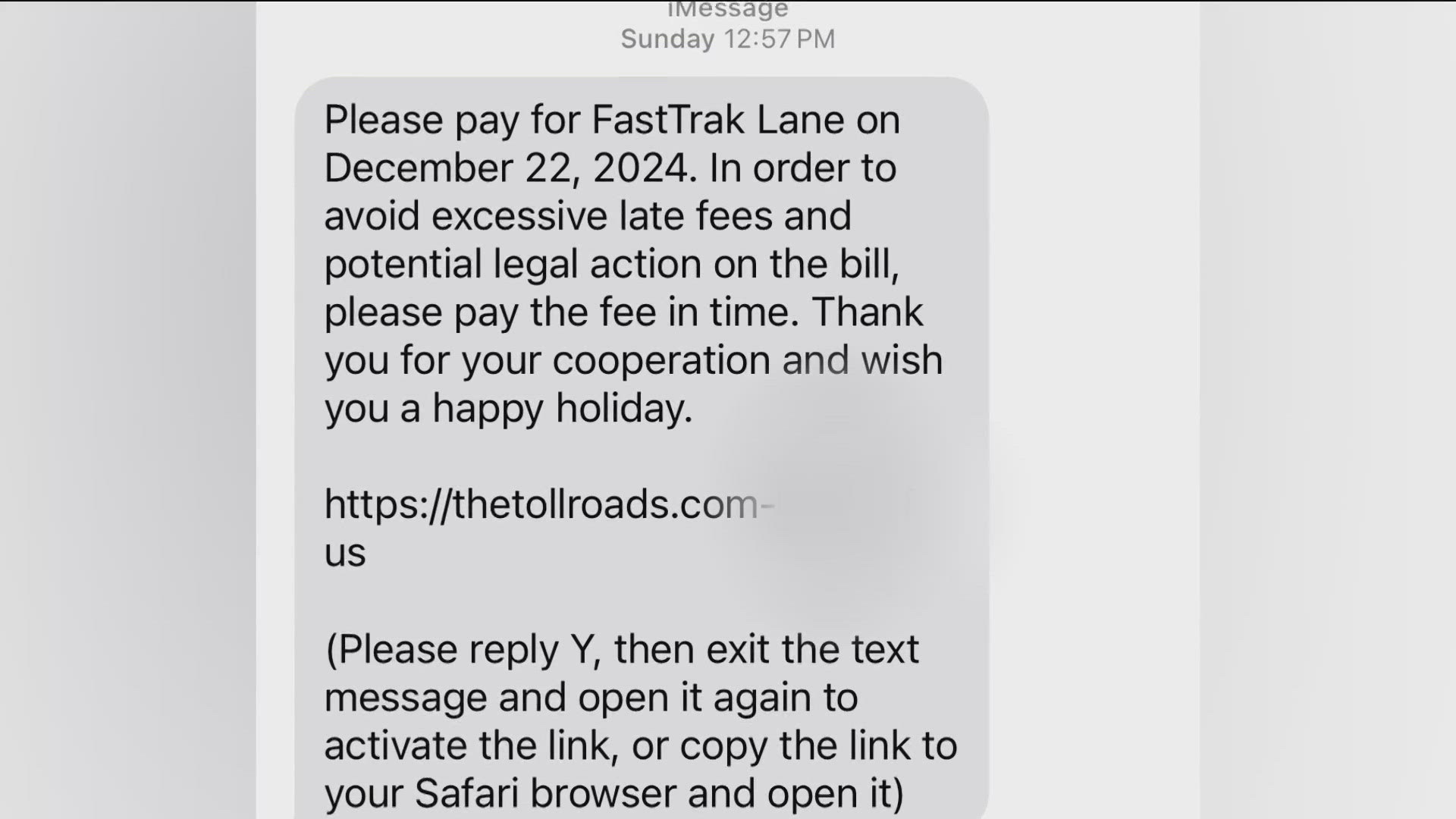
Scammers target FasTrak drivers with threatening text messages
In recent years, the term "Fastrak Lane Scam" has sparked heated debates and concerns among drivers and commuters worldwide. This issue has become a focal point for discussions surrounding toll road management, consumer rights, and transparency in public services. Understanding the controversy requires a deep dive into the specifics of Fastrak lanes and their alleged misuse or mismanagement.
Whether you are a regular commuter or simply curious about the topic, this comprehensive guide aims to clarify the facts, debunk myths, and equip you with the knowledge needed to navigate this issue effectively. Let's begin by examining the background of Fastrak lanes and the origins of the controversy.
By following these tips, drivers can significantly reduce their risk of falling victim to scams. In the next section, we will explore legal actions taken against scammers and their impact on the Fastrak system.
Preventing Fastrak lane scams requires a combination of vigilance and proactive measures. Below are some tips to help drivers protect themselves:
Authorities have taken significant steps to combat Fastrak lane scams and protect drivers. Legal actions include prosecuting scammers, implementing stricter security measures, and educating the public about potential risks. These efforts aim to restore trust in the Fastrak system and ensure a safe commuting experience for all users.
The term "Fastrak Lane Scam" has gained traction due to reports of fraudulent activities linked to these lanes. Some drivers have claimed they were overcharged, while others have reported unauthorized transactions on their accounts. These allegations have raised questions about the security and reliability of the Fastrak system.
Scammers often exploit the complexities of the Fastrak system to deceive unsuspecting drivers. Below are some common types of scams associated with Fastrak lanes:
Fastrak lanes operate using a combination of electronic toll collection systems and transponders installed in vehicles. When a vehicle enters a Fastrak lane, the transponder communicates with a reader at the toll booth, deducting the appropriate fee from the driver's account. This process is designed to be seamless and efficient, minimizing delays and reducing congestion.
The Fastrak lane system, designed to streamline traffic and provide a more efficient commuting experience, has been widely adopted in various regions. However, allegations of scams and unethical practices have cast a shadow over its reputation. In this article, we will explore the truth behind these claims and provide actionable insights for drivers.
Despite their benefits, Fastrak lanes have faced criticism and allegations of scams. In the next section, we will delve into the specifics of these allegations and their implications for drivers.
Fastrak lanes are designated toll lanes designed to offer drivers a faster, more efficient way to navigate highways. These lanes are typically equipped with electronic toll collection systems that allow drivers to pay tolls without stopping. The primary goal of Fastrak lanes is to reduce congestion and improve traffic flow.